
DART - Jamaica Deployment 2025

Responding to Hurricane Melissa in Jamaica
A DART International UK deployment story
On 27th October, the trustees of DART International UK voted to begin preparations for a deployment to Jamaica.
Category 5 Hurricane Melissa had caused severe damage across the island, and from the early reports we were receiving, it was clear that communities were facing major disruption, blocked roads, damaged infrastructure and limited access to essential supplies. The decision to respond was unanimous.
A team was selected, equipment was prepared, flights were arranged and we waited for an official invitation from a suitable Jamaican authority. That invitation came from Daniellia Aitcheson, Executive Director of the National Conservation Trust Fund of Jamaica.
Our first team was made up of Huenuman Coloma, Louis Brown, Johnny Fuller and Tom Prince. We flew from London Heathrow on 2nd November, travelled via Newark, New Jersey, and arrived in Montego Bay on 3rd November 2025.
From the very beginning, the deployment came with challenges.
The vehicle we had arranged from the UK was not available when we arrived. Power and internet were down at the airport kiosk, meaning there was no access to the booking system. We eventually managed to secure another suitable vehicle, but it came at a cost of $1,160 USD.
Accommodation was also uncertain. We had planned to stay in Kingston and make contact with government offices the following morning, but with no confirmed room or entry code, and traffic ahead looking gridlocked, we made the decision to head towards Mandeville instead.
The drive gave us our first real insight into the conditions on the island. Roads were difficult, the humidity was so intense that the windscreen fogged on the outside, and we encountered a landslide with deep mud and a large fallen tree blocking the road. Fortunately, a passing police vehicle led us along an alternative route.
When we reached Mandeville late that night, there was still no room available. After some discussion, the hotel owner allowed all four of us to bunk in one water-damaged room. It was basic, but it was dry enough, and for that night it was home.
Finding our first task
Before dawn the next morning, while making tea in the hotel kitchen, we met Nick from GER3, Global Emergency Relief Recovery & Reconstruction. He was heading to Treasure Beach with Allisa, someone we knew from a previous deployment.
Their task was to clear a fishing hub so that it could be used as an aid distribution centre. The work would also support the local fishing fleet, which had been badly damaged and was an important source of food for the area.
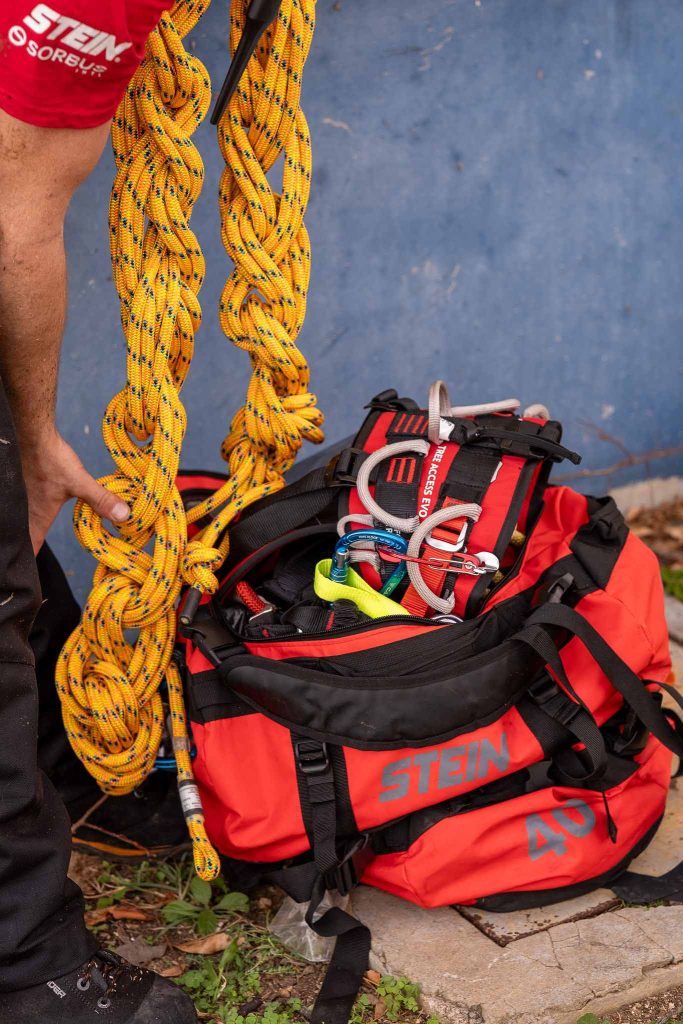
They had local men ready to help, but only hand tools available. We had chainsaws and the experience to use them safely.
We offered to join them as soon as we were packed.
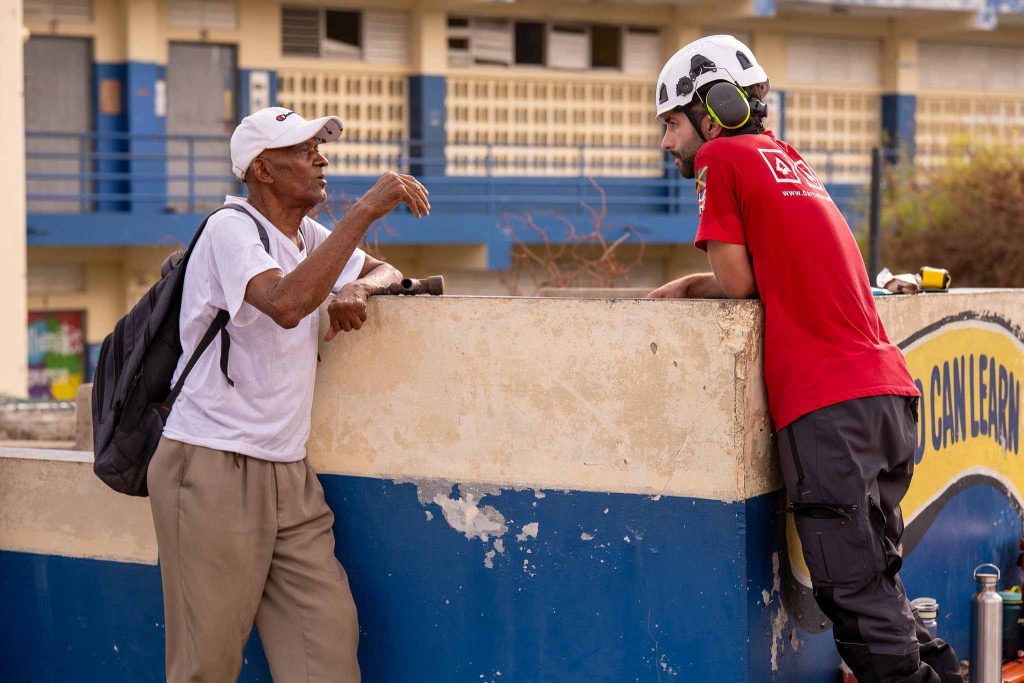
Treasure Beach was not the worst affected area, but it was the last serviceable point of access towards some of the more severely damaged communities. Establishing a working base and improving access there had the potential to make a real difference.
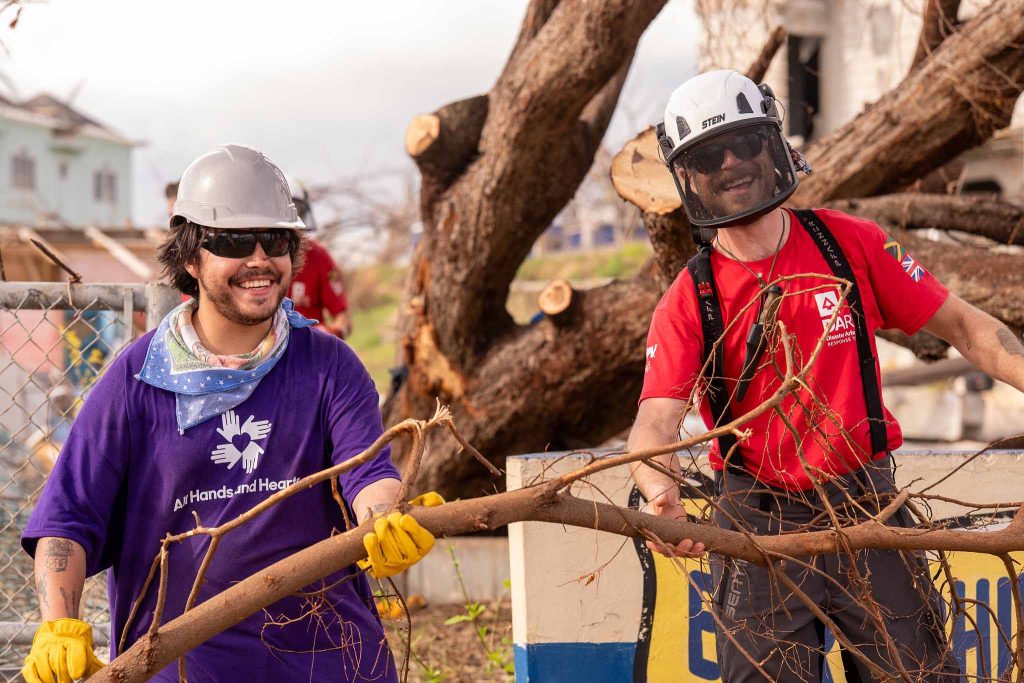
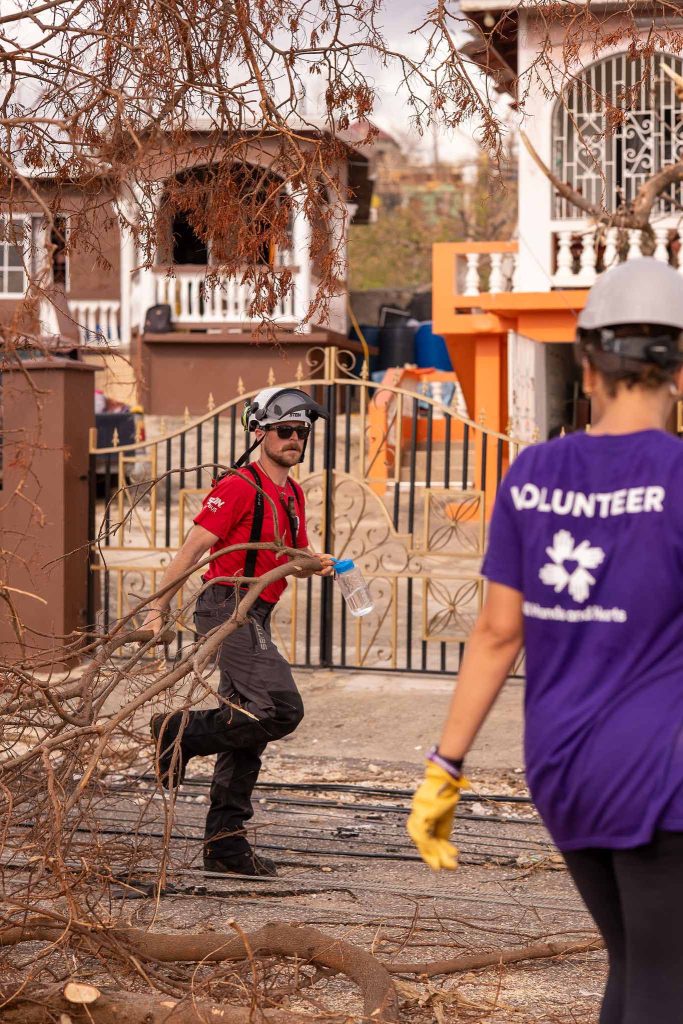
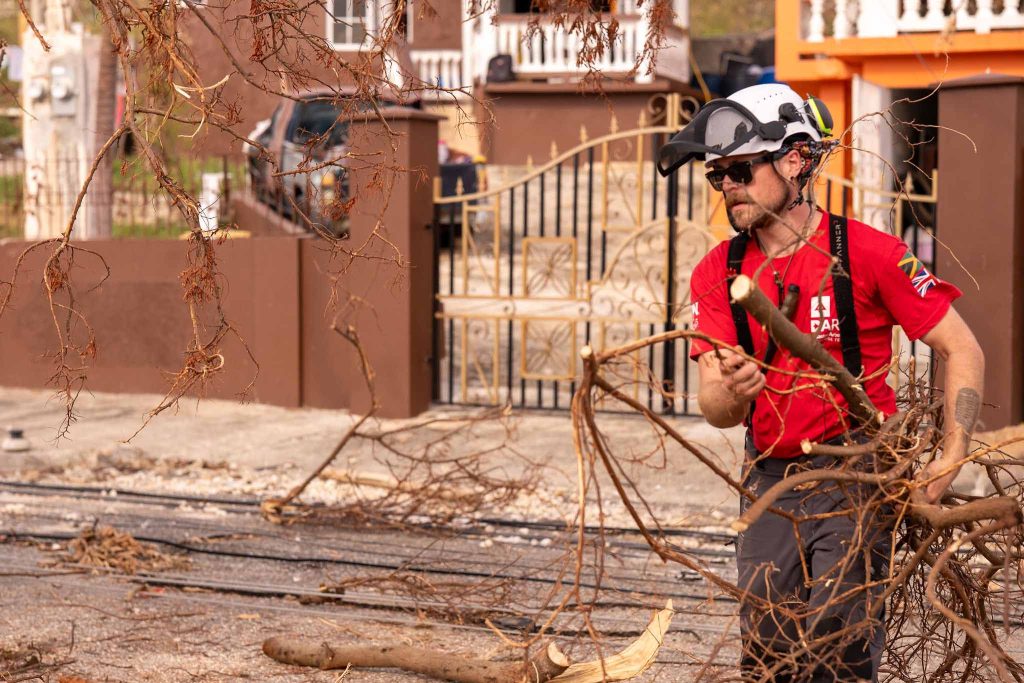
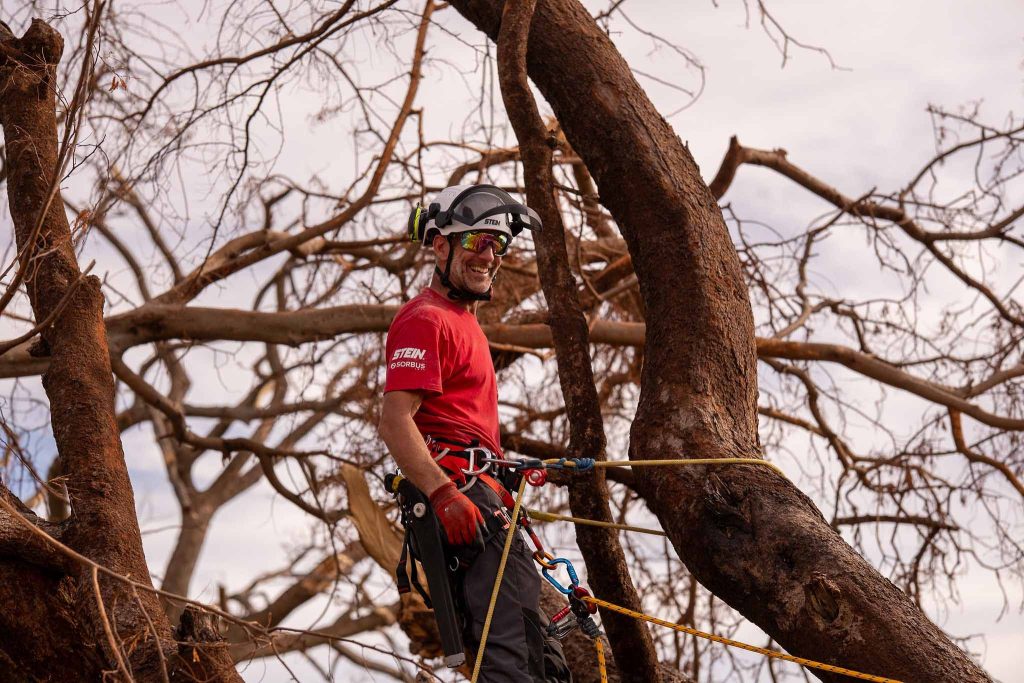
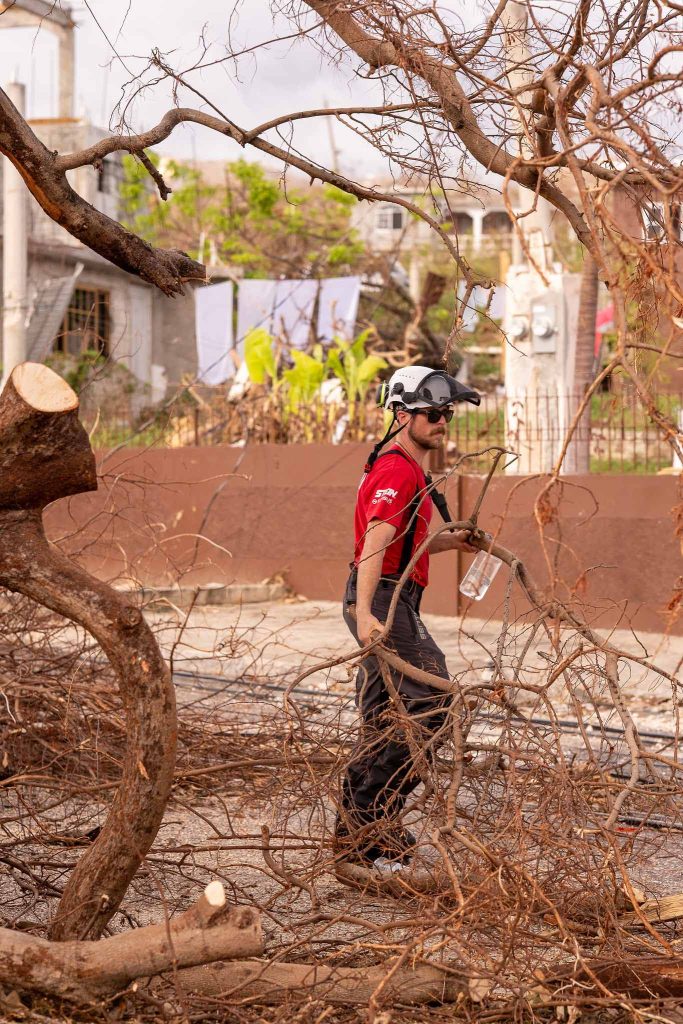
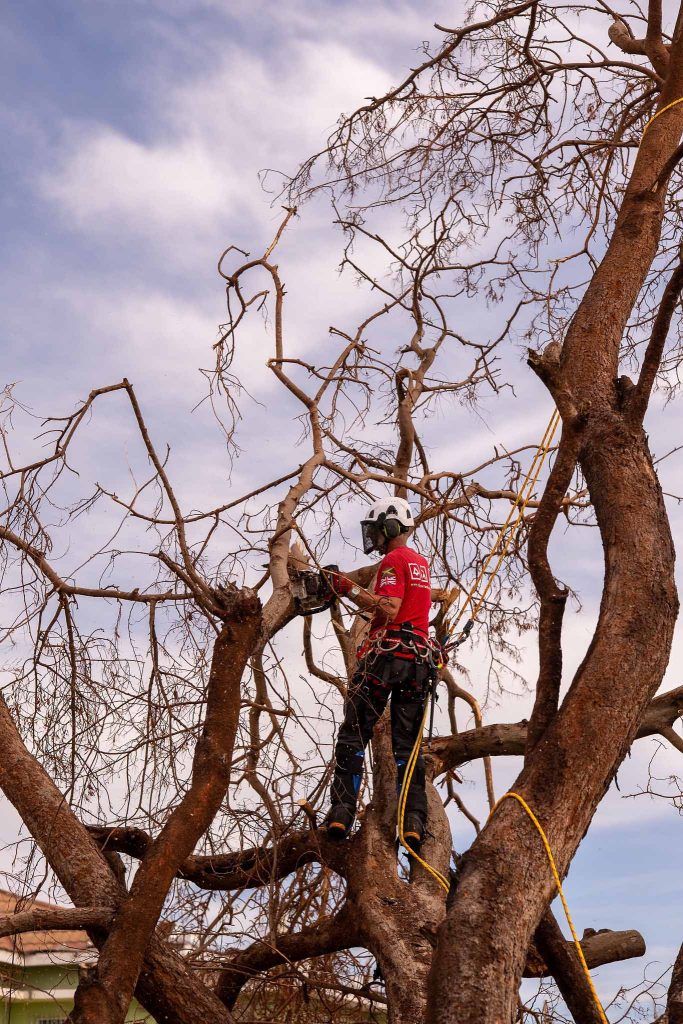
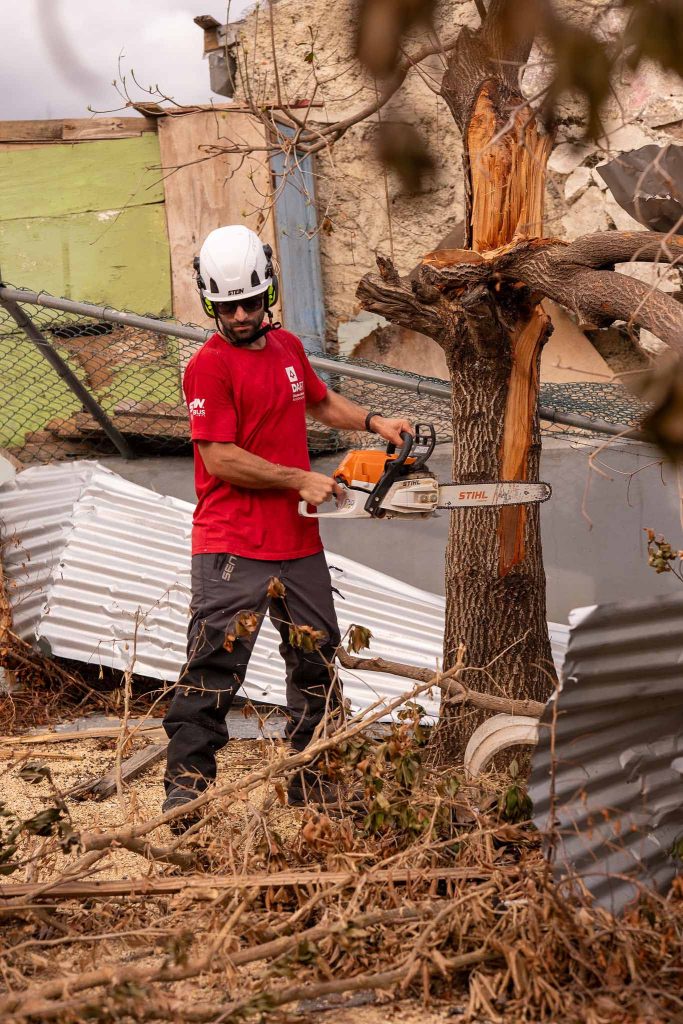
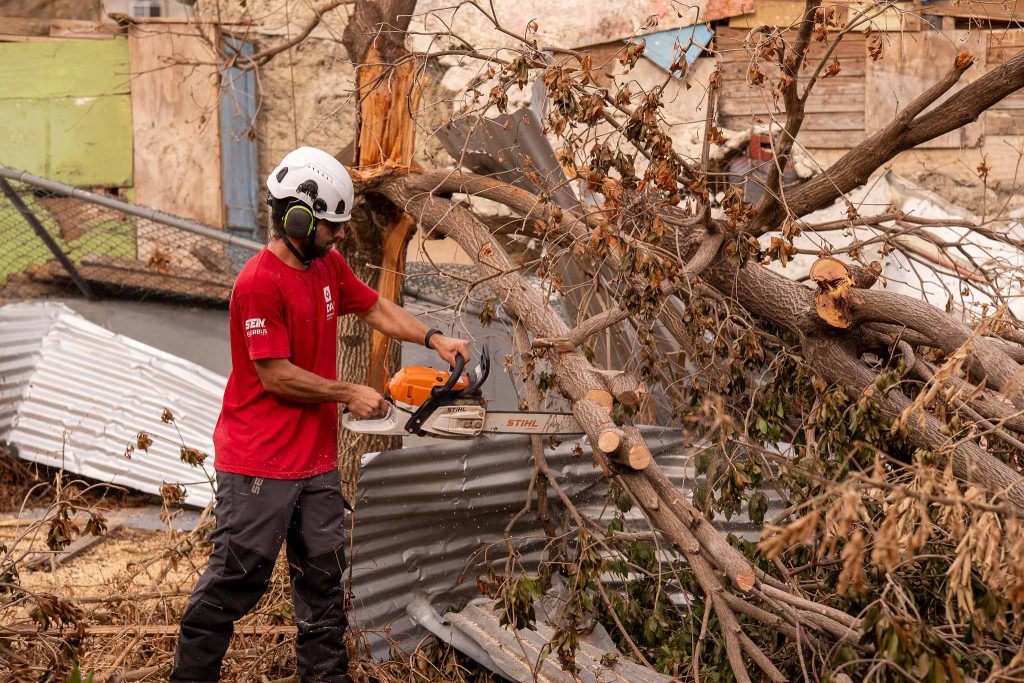
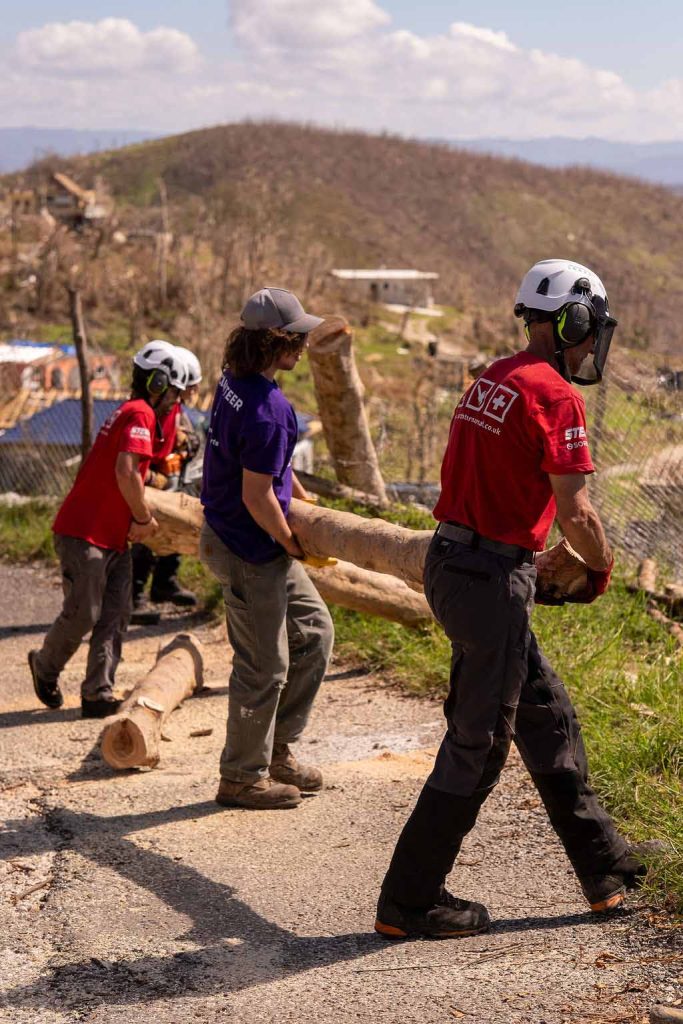
Working alongside GER3 and local volunteers, we cut through windblown trees, washed-up debris and fallen telegraph poles. With chainsaws, we were able to make far quicker progress than would have been possible with hand tools alone.
That cleared space soon became useful. Within days, military vessels were docking offshore and local fishing boats were ferrying supplies to the beach, turning the area into a practical aid distribution point.
Working with partners on the ground
One of the defining parts of this deployment was the cooperation between different organisations.
We travelled and worked alongside Mobile Medics International, GER3, All Hands and Hearts, the Social Development Commission, local faith leaders, community volunteers and Jamaican authorities.
At Treasure Beach, Mobile Medics International kindly hosted us in a damaged but functional villa. We were able to capture rainwater, purify it for drinking, access the internet through Starlink and use solar power to keep essential kit running.
On 5th November, while part of the team continued clearing debris at Treasure Beach, Huen and Johnny travelled to Kingston to check in with CEDEMA, the Caribbean Disaster Emergency Management Agency. This meeting later helped shape further taskings in Brighton and New Hope.
Fuel was becoming scarce, so on the return from Kingston we stocked up wherever we could, even using large plastic vinegar bottles as improvised fuel containers.
The following day, we travelled with Mobile Medics International in convoy through interior communities including Holland Bamboo, Maggotty and Balaclava. The medics provided treatment, the Social Development Commission distributed bread, and we were there to clear tree debris if it blocked access.
Most roads were passable, but we did have to clear one tree from the highway and carefully navigate badly damaged roadways that had been partially washed away by floodwater.
Brighton: opening up a village
We then received a request from Westmoreland Parish Minister Rev. Gibson to support the village of Brighton. The request came through local contacts and our primary Jamaican contact, Daniellia Aitcheson.
The road into Brighton was extremely poor. It was steep, full of potholes, covered with loose stones and overhung by damaged trees. In the village itself, local men had already cleared a narrow route, but there were few passing points and power line poles were still lying in the road.
With support from volunteers provided by All Hands and Hearts, we began clearing trees and debris to make the village roads passable by two vehicles.
That mattered because aid trucks were expected in the area. A narrow path might be enough for one small vehicle, but not for regular aid distribution, emergency access or the increased traffic that follows a disaster response.
The community response was incredible. One local gentleman was inspired to bring out his own chainsaw and join the work. Later that day, a Jamaican team with two diggers also reached the top of the road. Between everyone involved, access to Brighton was transformed in a single day.
Camp Hope and New Hope School
From Brighton, we moved on to New Hope.
As we drove in, it was clear aid had not yet reached many people. Families were lining the roads asking for food and water. Water mains were broken in the streets and children were collecting water where they could.
We arrived at Camp Hope, a hostel in the grounds of New Hope Methodist Church, where we were hosted by Anthony Kennedy. Anthony was already clearing sodden mattresses and flood debris from the building. The windows had been blown out, broken glass covered the outside area, and fallen trees and branches were scattered across the site.
The building was due to be used as a food kitchen for the community the following morning, so we set to work immediately.
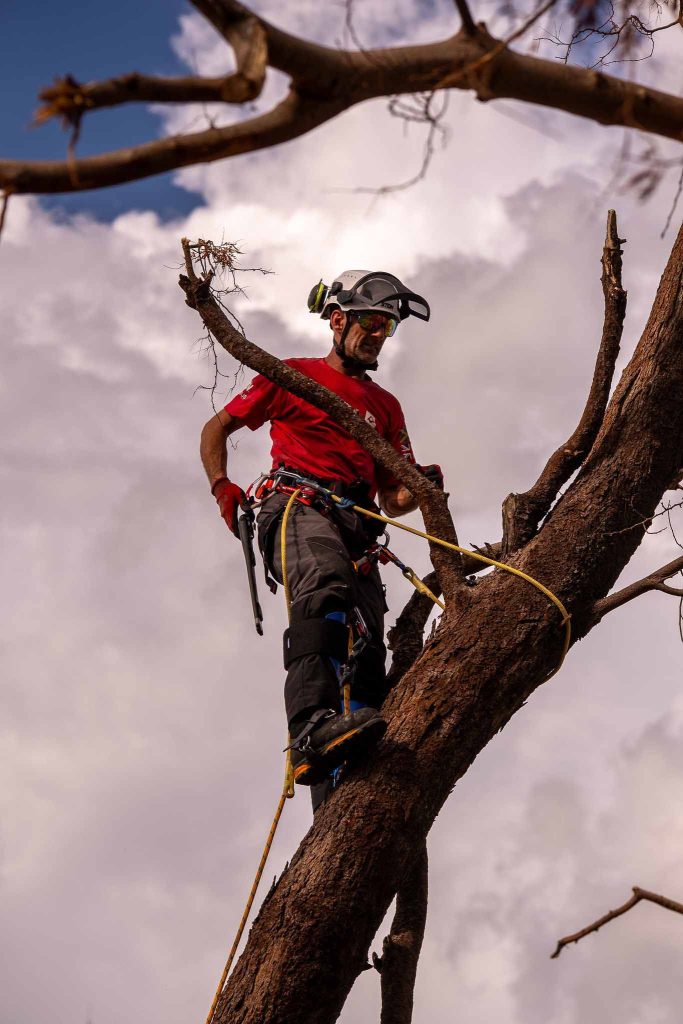
We cleared fallen trees, removed dangerous hanging branches and cleared as much broken glass as possible to make the area safer for people arriving for food.
We camped in the grounds under mosquito net shelters. Running water came from rainwater capture, which we filtered and purified. The conditions were basic, but we had what we needed, and the welcome from the community made it feel like a privilege to be there.
Anthony proved to be an outstanding local guide. He understood the needs of the area, knew which work needed prioritising and was completely committed to serving his community.
The next morning, he took us to New Hope School.
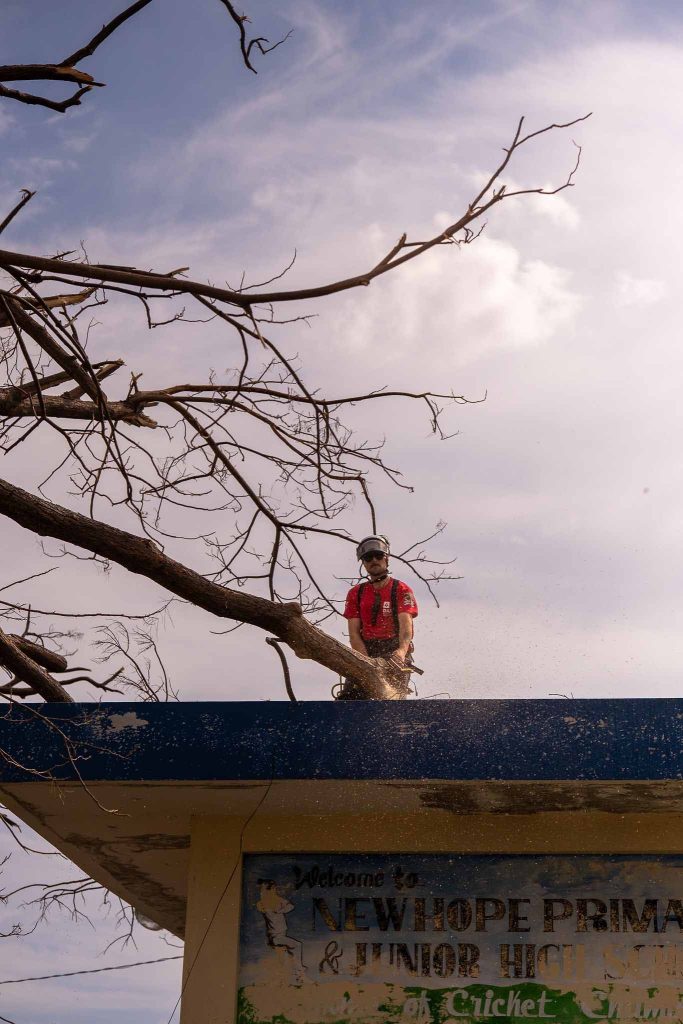
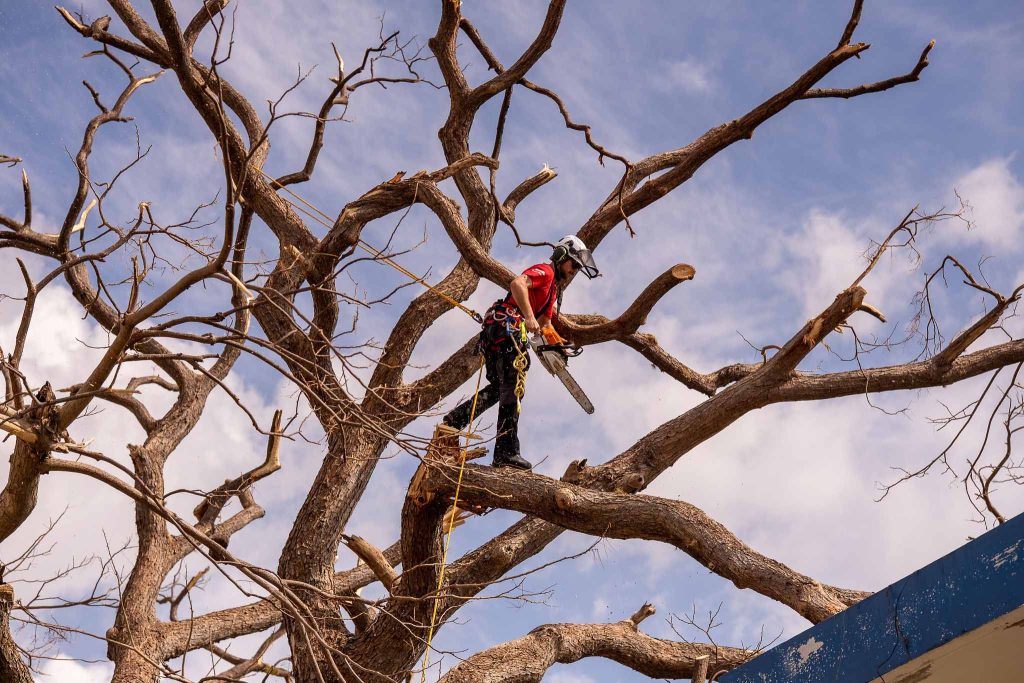
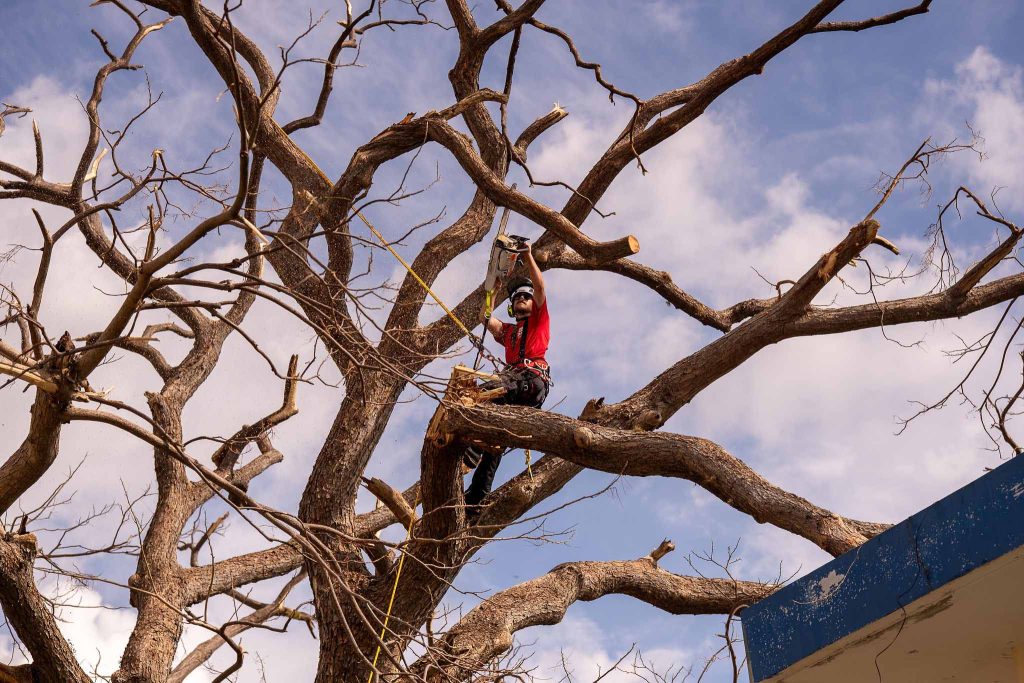
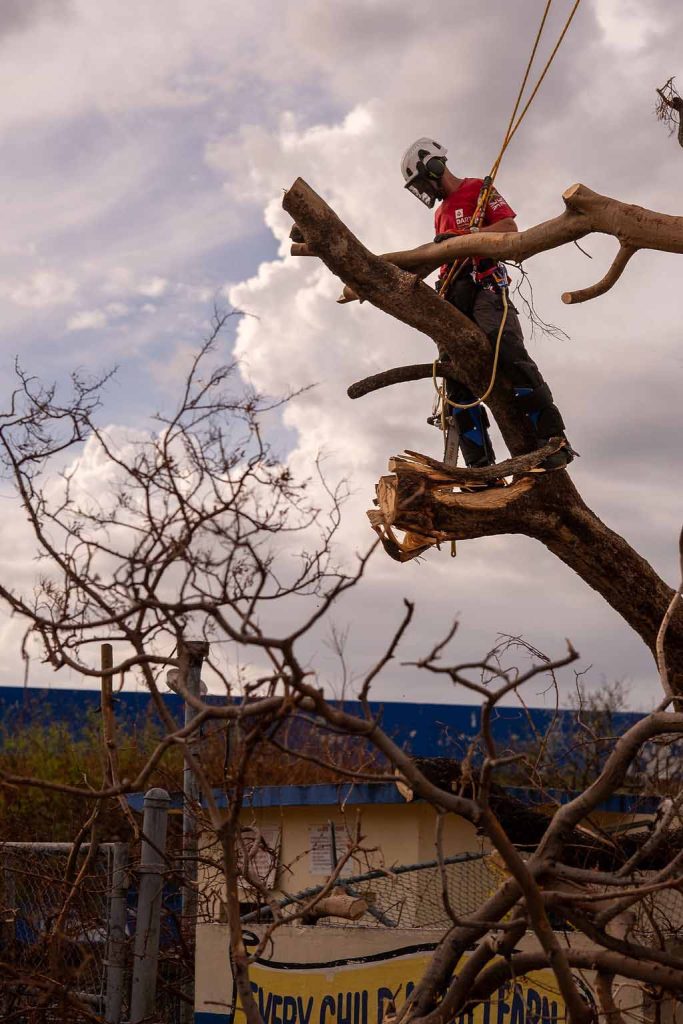
The school itself had escaped major structural damage, but access was blocked by fallen trees. A large tamarind tree was lying across the entrance, a broken guango branch was hanging on the roof, and smaller fallen trees were obstructing the grounds and nearby road.
Clearing the school felt especially important.
After a disaster, reopening schools is about much more than education. It helps children regain routine, reconnect with friends and return to a safe environment after a frightening and traumatic event. It also gives parents and carers the space they need to begin repairing homes, finding supplies and rebuilding daily life.
By removing the hazardous trees and opening access, we helped support the hope that the school could reopen within days.
Handing over to Team 2
As Team 1 continued working around New Hope, Camp Hope and surrounding communities, we also began looking for opportunities for Team 2.
The aim was not only to clear what we could ourselves, but to leave behind something more sustainable.
Two possible routes emerged. One was through Colleen Williams from the Jamaica Organic Agriculture Movement. Another was to meet leaders from the autonomous region of Accompong Maroon to explore whether DART could support their community.
We also identified local people who could benefit from training and continue the work after we left.
On 10th November, while part of the team remained at Camp Hope clearing fallen trees and helping an elderly resident whose home and access had been affected, Louis and I travelled to Accompong Maroon. There, we met community representatives and helped local men clear a visitor centre and rescue artefacts from a museum that had been damaged when the roof was lifted by the storm.
Later that evening, we returned to Camp Hope and prepared for the arrival of Team 2.
The next morning, both DART teams had the rare luxury of a proper daylight handover. We passed on information, equipment, contacts and local knowledge before Team 1 began the journey back to Montego Bay and home to the UK.
Training local chainsaw users
Team 2, led by Andrew Bakere, continued the work with a strong focus on training.
They identified Mr Lewis as a key local figure who understood the needs across St Elizabeth parish. Training began in Black River and covered chainsaw operation, basic cutting techniques and safe use of the saw.
Black River had been devastated by Hurricane Melissa. Dangerous windblown trees were lying across roads, buildings and vital infrastructure. Training was therefore practical from the outset, with local residents helping clear debris and branches as the work progressed.
The team later connected with Mr Dwayne Oliver from SORCE, following a recommendation from Colleen Williams. He was well placed to continue supporting farmers, community groups and chainsaw teams involved in storm clearance.
Over several days, DART responders trained Mr Lewis and Mr Oliver while clearing around 1,000 metres of road with help from All Hands and Hearts.
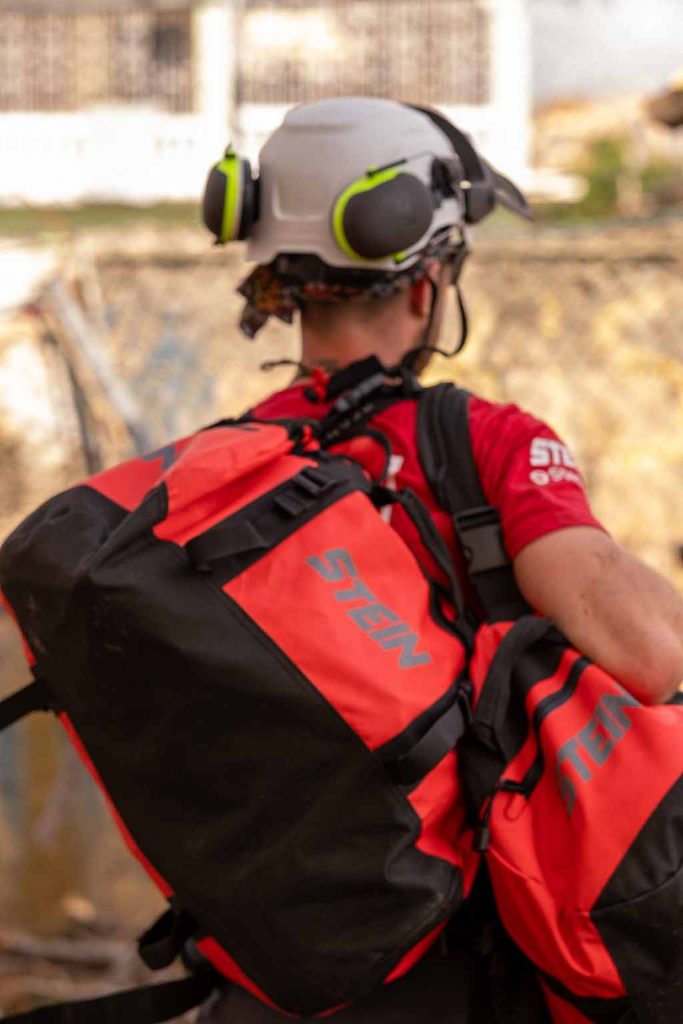
The training covered safe working, risk assessment, PPE, maintenance, basic cuts and practical tree clearance. This was not classroom theory. It was hands-on, community-focused learning in real disaster conditions.
A demonstration day in Kingston
One of the most significant moments came at Hope Botanical Gardens in Kingston, where more than 50 chainsaw users attended a demonstration day.
The group included garden staff, volunteers, people connected to Ministry of Agriculture projects and others involved in local clearance work.
DART divided the day into key areas: first aid, risk assessment, PPE, chainsaw maintenance, saw use, basic cuts and safe tree takedown techniques.
A major emphasis was placed on allowing the newly trained local colleagues to demonstrate what they had learned. They excelled. Mr Oliver finished the day by safely felling and processing a challenging tree, publicly showing the skills he had gained through the training.
DART International UK donated chainsaws, PPE and other equipment to the Source Project, leaving it with Colleen Williams so the work could continue safely and locally.
Leaving skills, equipment and confidence behind
Before heading home, Team 2 continued clearing trees in the community of Whitehouse, supported work at a local school and removed a difficult tree from a building roof at Bluefields.
By the end of the deployment, DART had helped clear roads, schools, community buildings, homes and access routes. But just as importantly, we had trained local people, donated equipment and helped build confidence within the communities we worked alongside.
The deployment to Jamaica was physically demanding, logistically challenging and at times uncertain. Power, communications, fuel, transport and accommodation were all difficult. Roads were damaged, communities were isolated and the scale of need was clear everywhere we went.
But what stood out most was the strength of the people we met.
From local volunteers picking up branches behind our saw teams, to community leaders guiding us towards the most urgent needs, to newly trained chainsaw users stepping forward to continue the work, this deployment was built on partnership.
DART International UK’s role was to respond quickly, work safely and support recovery where our skills could make a practical difference.
Hurricane Melissa caused severe damage, but the communities we worked with showed determination, generosity and resilience at every stage.
We were proud to stand alongside them.

Can You Help Us?
If you would be kind enough to support our team please donate by clicking below: